Burrowing Mites on Cats
Burrowing Mites Ear Mites The most common mites that can trigger problems to cats tend to be ear mites. Skin changes usually occur on the ears face stomach elbows and ankles.

How To Recognize And Treat Mites On Your Cat Cats Cat Ear Mites Pets Cats
Notedric mange also sometimes referred to as scabies can cause severe skin infections in cats.

. Depending on the type of mange mite these pests may live off ear wax bite the surface of the skin or burrow into your cats skin. Trombiculidae are one of the few mites that will feed on the feline around the abdomen feet pads ears and head. Ear mites live in your cats ear canal.
Grave mites Sarcoptes mites Grave mites mainly affect dogs and are very rare in cats. The mites feed on the ear wax and other dirt inside a cats ear. Its caused by a mite known as notoedres cati which burrows into the cats skin and lays eggs that continues the mite life cycle.
Some types of mange mites are too small to be seen with the naked eye while others look like tiny black or white dots. These microscopic insects can live on the surface or burrow into the upper layers of their hosts skin. Harvest mites are very small orange insects but it is very likely that you will not see them.
They survive on ear tissues wax and cause itching and infection. At 68 - 77 F live 5 to 6 days if humidity is above 75 Egg 3-5 days larvae 6 legs burrow feed Nymph 8 legs burrow feed Nymph 8 legs burrow feed Adults Highly contagious - Transmitted 1o by intimate contact with skin. Feline Demodicosis Feline demodicosis is a type of mange caused by either the Demodex cati mite or.
These burrowing mites Notedres cati rarely infest cats but they are highly contagious to other cats when they do. Treatments For Scabies In Cats If your veterinarian suspects that your cat is suffering from scabies theyll perform an examination. This can also lead to severe skin soreness and hair loss.
Mange is caused by either burrowing or non-burrowing mites. In the case of cats the most likely organism is otodectes cynotis. In cats harvest mites are more commonly found around the ears and between the toes but can be found almost anywhere on the body.
After she deposits the eggs the female mite dies. Noticing that your cat has become mangy sore and patchy-furred is a bit of a late reaction. Mites naturally seek out new hosts so a human hand gliding through your cats forest of fur is a tempting opportunity for them.
Mange on a cat is a skin disease often caused by a parasitic mite called Demodex. Burrowing mites tunnel into the skin. Crusty skin and hair loss appears on the ears head and neck and can spread over the entire body.
Non-burrowing mites live on the skin surface and hair. They bite the surface which causes itching and soreness. Tiny parasites that live inside the ear canal of an infected animal.
Pet owners that notice the symptoms of mange should conduct a vet check to start medical treatment. These burrowing mites dig through the upper layer of your cats skin leaving trails of itchy bumps in their wake. In the ear the mites feed on your cats ear wax skin flakes and oils.
Burrowing mites burrow into a cats skin to feed. Your cats thick coat is a great place for them to hide. The mites that cause scabies in cats are called Notoedres cati.
It lives in hair follicles and oil glands of felines skin. A cat can contract this parasite by laying in the dirt. The most common species of ear mite affecting cats and dogs is Otodectes cynotis.
The mites dig tunnels in the upper layers of their hosts skin and cannot be seen with the naked eye. Non-burrowing mites are commonly seen around the cats ears. How do I know my cat has mites.
These mites are arachnids that occupy and burrow under the top layer of the cats skin and cause discomfort. All types of mite infestations cause discomfort and severe itch. Ear mites are microscopic parasites that usually take up residence in your cats ear canals although the mites can spread to other parts of the body including the neck rear end and tail area.
Once the mange mites have infected a cat they burrow into the top layer of the skin as these mites burrow they cannot be removed by brushing or bathing. The female mite burrows into the skin and lays eggs several times as she continues burrowing. If you notice these symptoms contact your vet.
The signs typically start at the edges of the ear and then spread rapidly over the ears head face and neck Evans says. A sudden onset of intense itching during the late summer or early fall suggests that harvest mites or a similar ectoparasite such as fleas may be present. The mites spend their entire life on a cat.
Cats may not show many signs of having sarcoptic mange at first but as the numbers grow they can get very itchy and may start to damage their skin by scratching and licking. If the scratching continues for more than 24 hours your cat is likely experiencing a harvest mite infestation another type of ectoparasite infestation or some other type of skin infection. Mites dont live very long off the host.
It is worth noting that some of the mites affecting cattle are zoonotic in addition to affecting multiple other species. What youll notice are symptoms of early scabies in cats such as sores yellow-gray crusts and hair loss especially hot spots where the itching is most intense and kitty has excessively scratched or pulled out fur. Adult mites lay eggs under the skin.
Cat mange occurs in cats of all age groups. There are two main types of cat mites. The sarcoptes mite responsible for scabies targets exposed areas like your kittys face jaw and legs according to Oklahoma State University Center for Veterinary Health Services.
Notoedres is a sarcoptic mite that is found in cats. How is harvest mite infestation diagnosed. They are smaller than the non-burrowing mites and generally have a circular shape.
These tunnels can actually reach the length of several centimeters. The female mites can dig and burrow into the cats skin and thats where they lay their eggs. Burrowing mites penetrate into the cats skin and cause inflammation redness and scales.
They tend to have short legs with pulvilli terminal suckers on the end of them. In 3-8 days the eggs hatch into larvae which then mature into nymphs. Notoedric Mange Notoedric mange is also known as feline scabies and is contagious in nature.
This Powerful Ingredient May Help Substantially With Your Cat S Itchiness Cat Fleas Cat Has Fleas Cat Work
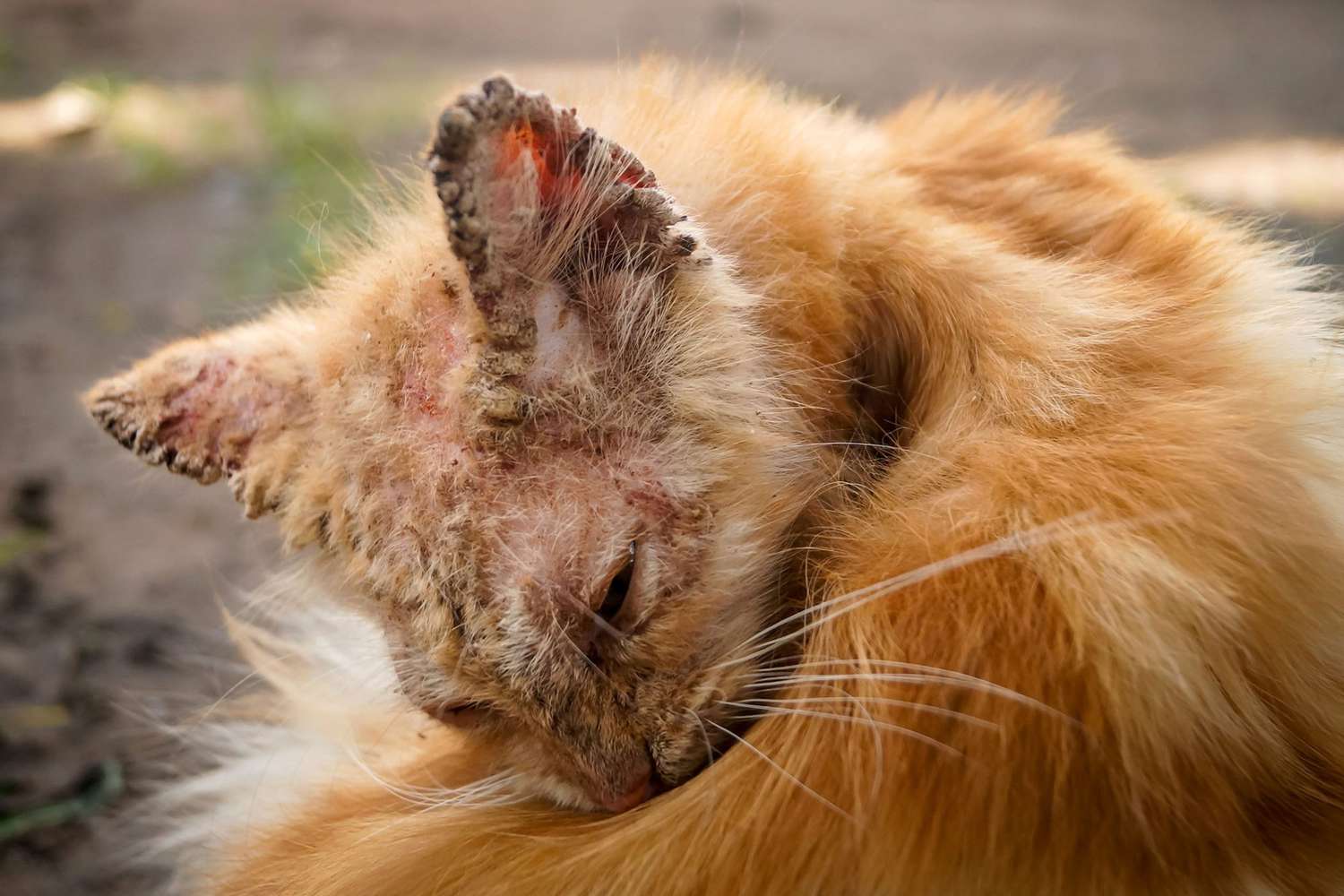
Mange In Cats Causes Symptoms Treatment And Prevention Daily Paws

Mange In Cats 5 Mites That Can Frustrate Your Feline

Mange In Cats Causes Symptoms Treatment All About Cats

Comments
Post a Comment